
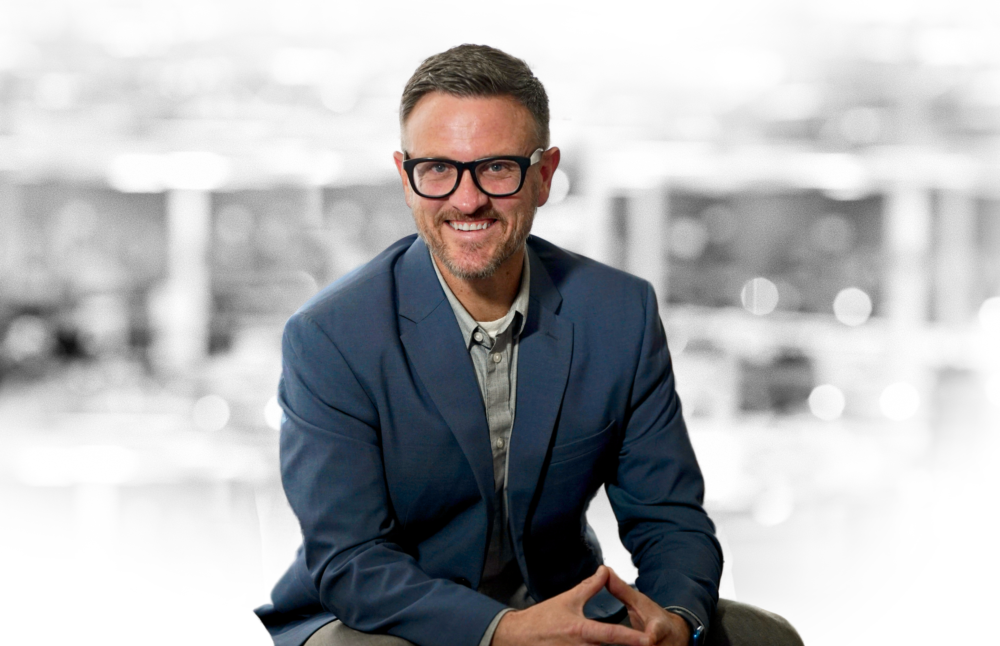
Protect Rights. Not Privilege.
Our nation’s founders deliberately included the phrase “a more perfect union” in the Preamble of the U.S. Constitution to reflect a commitment to building a stronger, more effective government. Perfection was never the goal—progress was. It is an ongoing pursuit of justice, peace, opportunity, and liberty for all.
The phrase represents not a destination, but a promise: that the United States must continuously strive to become fairer, stronger, and more representative of its people.
Today, Americans across the political spectrum agree—something is fundamentally broken in our government. For decades, the system has too often served oligarchs and the privileged few rather than everyday families.
Make no mistake: both political parties have failed.
The real issue is a widespread misunderstanding of government’s core purpose. It is time to return to the principle of a government by the people and for the people.
That is why I am running for the Utah House of Representatives—to protect rights, not privilege.
Davis County and our surrounding communities face serious challenges: a struggling economy, income inequality, taxation pressures, rising healthcare costs, and an education system in need of reform. The Great Salt Lake has reached historic lows. Our air quality ranks among the worst in the nation. Institutions meant to protect our livelihoods have been weakened or dismantled. Law and order are no longer balanced, and due process is increasingly out of reach for too many in our communities.
I have proudly lived in House District 14 since 2014 with my wife and our three children. Professionally, I have worked as a digital media creator specializing in marketing, public relations, and organizational communications in support of Utah businesses.
I am running because someone must—and because I deeply care about protecting and strengthening the community my family calls home.
Utah stands at a critical moment. Democracy itself feels fragile, yet I believe many across our state still want to defend it. For too long, however, Utah has repeated a cycle of electing misinformed leaders and those who have embraced dangerous rhetoric disconnected from the will of the people.
It is time for change.
Utah must acknowledge that clinging to the status quo has failed. Supporting “the lesser of two evils” within the same party has only preserved a broken system. When elected officials prioritize party loyalty over public service—when they “toe the line” rather than listen—the voices of the people are left unheard.
Our community deserves better. And together, we can build it.
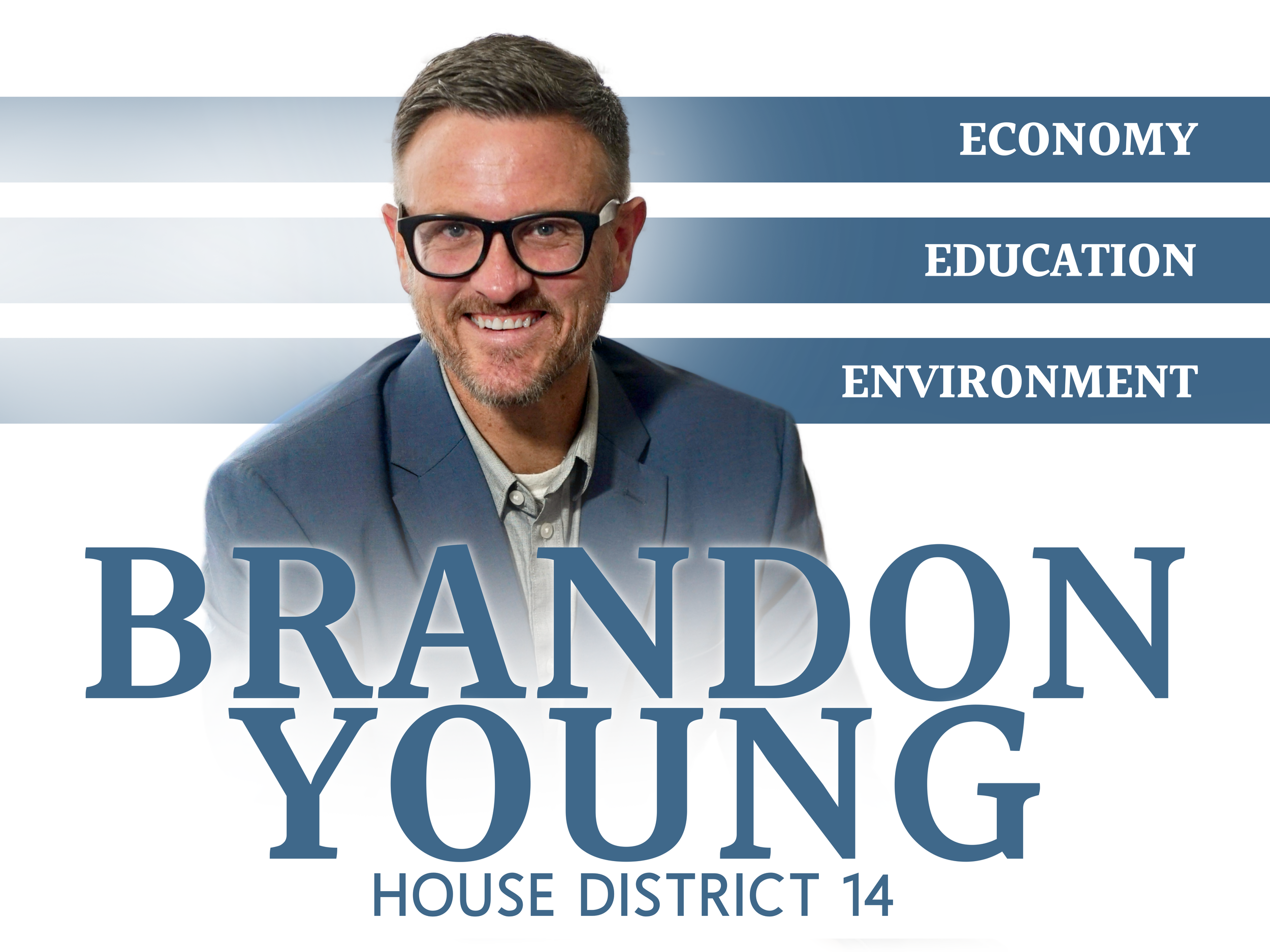
Economy. Education. Environment.
These priorities directly shape the strength and stability of our community.
A strong economy must work for everyone. Our district must remain affordable, with responsible tax relief where needed—while still ensuring local governments can fund the essential services we all depend on. Healthcare must be both affordable and accessible to every Utahn. Working families deserve protection from union-busting and wage exploitation so their labor and livelihoods are respected.
Our schools and educators deserve real support. While federal oversight plays a role, the state must ensure education is funded fairly and not tilted toward the wealthy and privileged. Utah ranks among the highest in book bans and among the lowest in per-student spending—a disparity that directly impacts student outcomes. Comprehensive and effective sex education also requires urgent attention, as it is closely tied to both healthcare and long-term economic stability.
The Great Salt Lake sits at our doorstep and has reached historic lows, threatening our climate, ecosystem, and public health through the release of toxic dust. Its decline also puts our local economy at risk, particularly tourism tied to Antelope Island, which contributes an estimated $1–2 billion annually. The lake’s crisis is a clear warning of unsustainable water use along the Wasatch Front. Preserving it requires smarter, long-term water policy to protect homes, farms, businesses, and future generations.
Economy
-
A Utah state representative cannot control global inflation but we can take real, state-level action to reduce the cost of living, protect wages, and prevent price exploitation for Utah families.
The role is not to promise impossible fixes — it’s to soften the pressure where the state has power.
Areas of focus:
Reduction or elimination of sales tax on essentials such as food, hygiene products, and diapers
Expand child tax credits or rebates
Offset rising costs through targeted relief for working families
Prevent hidden or regressive fee increases at the state level
Price gouging and market abuse
Penalties for coordinated price manipulation
I believe the government should reduce cost pressure, not add to it. That means I will oppose privatization that raises fees, audit contracts and subsidies, prevent monopolies in utilities and services, and help in investments or incentives in local supply chains and agriculture.
-
The cost of living in Utah continues to grow while wages have yet to fully keep up with inflation. In fact, the minimum wage has not been increased since 2009 despite cost of living in Utah substantially rising perhaps over 40-50% driven by housing, transportation, and medical costs.
While I favor raising the federal minimum wage, I also support Utah increasing wages to reflect general affordability.
Utah was among the few states that failed to increase wages in 2026. The Bureau of Labor Statistics shows consistent inflation with recent figures around 3% for 12-month periods, indicating ongoing price increases.
-
Taxation is not just about revenue. It is about priorities. It is how we invest in one another and build a stronger Utah.
In Utah, income tax directly funds our public schools, higher education system, and critical services for children and people with disabilities. These are not optional programs. They are foundational investments in our future. Every time lawmakers push to cut income taxes, they are reducing our ability to educate our children, support working families, and care for our most vulnerable neighbors.
That comes with real consequences.
Utah’s tax structure also relies heavily on sales tax, including the sales tax on food, and property taxes. These revenues help fund public safety, including law enforcement, firefighters, local municipalities, and essential community services. While lowering costs for families is important, eliminating the food tax without a serious replacement plan risks destabilizing the very services our communities rely on every day.
The reality is this: our tax system often works backward.
Right now, too much of our public spending goes downstream—covering the costs of poverty after families are already struggling. Taxpayer dollars are spent filling wage gaps through SNAP benefits, housing assistance, emergency room visits, and other safety net programs. These programs are necessary, but they should not be subsidizing corporations that refuse to pay livable wages while executives and shareholders benefit from tax breaks.
We need to change the model.
Instead of constantly paying for the consequences of low wages, we should invest upstream—building an economy where workers can earn enough to support themselves and their families from the start.
That means using our tax code to reward businesses that do the right thing.
My Taxation Priorities:
Create tiered tax incentives for businesses that pay higher wages and provide quality benefits.
End taxpayer-funded subsidies and incentive packages for corporations that rely on low wages and public assistance to sustain their workforce.
Prioritize high-wage, worker-centered employers in state contracts and economic development opportunities.
Expand workforce training programs and invest in affordable healthcare solutions that help businesses sustainably increase wages.
Protect education funding by preserving Utah’s income tax base and resisting reckless tax cuts that undermine public investment.
A fair tax system should not reward exploitation. It should reward investment in workers, families, and communities.
When wages rise, families become more stable, dependence on public assistance decreases, and local economies grow stronger. That is how we build a healthier middle class, reduce inequality, and create an economy that works for everyone—not just those at the top.
-
Just this past year, Republicans in Utah attempted to dismantle unions and collective bargaining—while also lying to the people regarding their motives and intent.
Approximately 122,000 Utahns are union or collective bargaining workers. This matters in Utah because collective bargaining helps ensure workers can keep up with the cost of living and share in the prosperity they help create.
In plain terms, collective bargaining protects workers from exploitation, strengthens local economies, reduces inequality, supports stable families, and reinforces democratic values.
It’s not about special treatment—it’s about fair treatment. And a Utah economy that works for working people is stronger for everyone.
I will fight for Worker’s Rights and aim to:
Protect the right of workers to organize and collectively bargain without intimidation or retaliation.
Strengthen workplace safety standards and enforcement.
Expand predictable scheduling protections so workers can plan their lives with stability.
Support paid family and medical leave so no one has to choose between a paycheck and their health or family.
Prioritize state economic development support for employers who offer fair wages, stable hours, and strong benefits.
A strong Utah economy is built from the ground up—by workers who are paid fairly, treated with respect, and given the opportunity to thrive.
-
Housing costs have risen substantially over the last several years stemming from a wide variety of issues, including but not limited to tariffs imposed on Canadian lumber imports. Supply and demand will fluctuate on specific goods adding to increases with the housing market.
Housing is a basic need, and the markets have failed to keep housing affordable. While reasonable profit for landlords is acceptable, exploitation is not. Stability—for both renters and landlords benefits families, our community, and local economy.
Housing should exist primarily for people to live in, not as a vehicle for large-scale wealth extraction. To keep housing from further skyrocketing, we must encourage;
Small-scale landlords
Fair-market rentals with clear tenant protections
Oppose corporate landlords, private equity firms, and large speculative investors that buy up housing and drive up rents
Encourage owner-occupied housing
Support non-profit, cooperative, and community land trust models
Expand public and social housing options
Utah needs to embrace rent stabilization to balance protections with economic reality. Rent should be prevented from having sudden and extreme hikes (recently 30-50%), with reasonable annual increases tied to inflation or wage growth to ensure landlords can still cover maintenance, taxes, and operating expenses. The goal is stability for renters, predictability for landlords, and prevention of displacement.
We need to offer tenant protections and basic consumer protections, similar to labor or safety laws. These include;
Just-cause eviction laws
Protections against retaliatory eviction
Right-to-counsel in eviction cases
Transparent lease terms
Habitability enforcement
We cannot solve a housing crisis with markets alone, or with regulation alone. We need both supply and protections. Working with local governments, we need to support the building of more housing, further zoning reform, and public investments in affordable and mixed-income housing.
-
Healthcare is a human right. It should not be tied to wealth, employment, or zip code.
From this principle, my approach is practical, Utah-specific, and focused on lowering costs while expanding access, not disrupting care.
Absolutely no one should delay or avoid medical care because of cost, nor should medical debt bankrupt families. Healthcare decisions should be made by patients and doctors only, not insurance companies.
Utahns face rising insurance premiums, high deductibles that make coverage unusable, surprise medical bills, limited access, and employer-based coverage that disappears when a job is lost. The system is expensive not because care costs too much, but because administration, profit extraction, and middlemen drive prices up.
As a House Representative, I will;
Protect and expand Medicaid
Support legislation lowering prescription drug costs
Support medical debt reform
Require hospital and insurance transparency
Support community health centers and telehealth expansion
Support studies and lay the groundwork for Universal Care
-
Equal work deserves equal pay. It is that simple.
Utah must strengthen pay transparency laws to help close the gender wage gap and ensure women are paid fairly for the work they do. When wages are hidden, inequity thrives. Transparency gives workers the power to identify discrimination, negotiate fairly, and hold employers accountable.
This is not just a women’s issue. It is an economic issue.
When women are underpaid, families have less money for housing, childcare, groceries, and healthcare. Closing the wage gap would put millions of dollars back into Utah’s economy—money that would flow directly into local businesses and strengthen communities across the state.
But wage inequality does not stop at the paycheck.
It compounds over a lifetime.
Lower wages mean lower retirement savings, smaller Social Security benefits, reduced investment opportunities, and greater long-term financial instability. For too many women, decades of unequal pay result in greater hardship later in life, especially for single mothers, widows, and retirees living on fixed incomes.
Economic justice means recognizing that wage inequality is systemic and fixing it at its source.
My Priorities:
Strengthen pay transparency laws so workers know what jobs pay before they apply.
Require greater accountability for wage disparities across gender and race.
Protect workers from retaliation when discussing pay.
Expand workplace protections that support women, including paid family leave and affordable childcare.
Ensure state contracts prioritize employers with fair pay practices and equitable workplace policies.
A stronger economy starts with fairness. When women are paid what they have earned, families are stronger, communities are healthier, and Utah’s economy grows for everyone.
-
Mental health care is directly tied to healthcare costs and has a significant impact on our economy, public safety, and community well-being. Utah must invest more seriously in prevention, treatment, and crisis response.
I will support increased funding for community mental health centers and the expansion of mobile crisis response teams. These services provide immediate, professional care during behavioral health emergencies and help reduce unnecessary hospitalizations, incarceration, and long-term costs.
There is a common misconception that leftist liberals are opposed to law enforcement. This could not be further from the truth. Peace officers are often asked to respond to complex mental health crises without the specialized training or resources required—while being underpaid and overstretched. Expanding mobile crisis response teams allows trained mental health professionals to handle behavioral health emergencies, ensuring safer outcomes for individuals, families, and officers alike.
Judicial rehabilitation also requires meaningful reform. Many individuals cycling through the justice system are struggling with addiction, homelessness, or untreated mental illness. Financial penalties tied to probation often create an impossible burden, forcing people into repeated violations and continued involvement with the criminal justice system.
Rehabilitation programs must be strengthened and better aligned with treatment, accountability, and reintegration. When we focus on recovery instead of punishment alone, we reduce repeat offenses, ease the strain on courts and law enforcement, and help individuals return to their communities as productive, contributing members of society.
-
Reproductive rights impacts all Utahns. Reproductive care in Utah is being affected by a combination of state laws, legal battles, funding cuts, and health-system changes.
Protecting reproductive rights means protecting the freedom, health, and economic stability of Utah families. Reproductive healthcare is directly connected to the strength of our economy, the stability of our healthcare system, and the opportunities available to our students.
When individuals have access to contraception, prenatal care, and family planning, they are better able to pursue education, build careers, and plan financially for their families. That stability strengthens our workforce, supports economic growth, and helps families remain financially secure.
Healthcare decisions should be made by patients and their doctors—not politicians. Laws that interfere with medical care place doctors in impossible situations and risk driving healthcare professionals out of Utah, especially in rural communities where provider shortages are already a serious challenge.
Protecting reproductive healthcare is about more than personal freedom. It’s about ensuring economic opportunity, maintaining a strong healthcare system, and giving every Utahn the chance to build a stable and successful future.
Education
-
What is occurring within the Davis School District is deeply troubling—and has become a source of national concern.
Earlier, an investigation into racial mistreatment was declared “satisfactorily concluded” only hours after President Trump eliminated federal DEI programs. The message sent to district residents framed the outcome as a “job well done,” raising serious concerns that the issue was prematurely closed in response to shifting political pressure rather than genuine accountability.
Less than a year later, the district now faces a $10 million lawsuit stemming from continued allegations of employee sexual misconduct.
Funds of that magnitude should be directed toward educating students and fairly compensating teachers—not diverted due to failures in oversight, accountability, and basic standards of professional conduct. Our students deserve safety, transparency, and leadership that places their well-being above politics or institutional self-protection.
-
Public education is one of the most important investments we make in our communities. Voucher programs are often framed as expanding choice, but the real issue is funding. Vouchers divert taxpayer dollars away from neighborhood public schools that educate the vast majority of Utah students.
When public funds are shifted into private schools, those institutions are not required to meet the same academic standards, financial transparency, or accountability that public schools must follow. That weakens the stability and quality of the overall education system.
National efforts have pushed this approach further. The Heritage Foundation’s policy agenda, Project 2025, calls for expanding programs that allow public education dollars to follow students into private schools, and in early 2025 Donald Trump issued an executive order encouraging federal agencies to prioritize similar voucher-style programs. Policies like these risk reducing funding for public schools, forcing districts to cut teachers, eliminate programs, or even close schools.
Many private schools that accept voucher funds also are not required to follow the same civil rights protections as public schools, leaving some students vulnerable to exclusion or discrimination based on disability, religion, or sexual orientation.
Instead of diverting resources, we should strengthen the public schools that serve nearly every child by investing in teachers, supporting classrooms, and ensuring transparency, accountability, and opportunity for all students.
-
Republican leaders are advancing policies aligned with Project 2025 that seek to impose a narrow ideological framework on public education. These proposals target what they label “woke culture” and Critical Race Theory, but the broader impact is an attempt to control what teachers can teach and what students are allowed to learn.
Under the banner of “parental rights,” these policies encourage laws that restrict classroom discussions about race, gender identity, and sexual orientation. While families should absolutely be engaged in their children’s education, these proposals go far beyond involvement—they open the door to political interference in classrooms and pressure on teachers to avoid important subjects. When educators fear punishment, lawsuits, or job loss for discussing difficult parts of our history or acknowledging the diversity of their students, education suffers. Students deserve honest, accurate lessons about the past and the skills to understand the complex world they are growing up in.
Public schools have always played a vital role in preparing young people not just academically, but as informed citizens in a diverse democracy. Limiting discussion of history, identity, and social issues risks narrowing the educational experience and undermining the critical thinking skills that students need to succeed in college, the workforce, and civic life.
Protecting our education system means standing up for teachers, defending academic freedom, and ensuring that curriculum decisions are guided by educators and communities—not political agendas. We must invest in strong public schools, support educators who teach facts and critical thinking, and ensure that every student feels seen, respected, and prepared for the future.
Our classrooms should be places where students are encouraged to ask questions, learn from history, and understand one another—not places where political ideology dictates what knowledge is allowed. Safeguarding that principle is essential to protecting the strength and integrity of public education.
-
Utah’s public schools should be places where every student feels safe, respected, and able to succeed. Yet too many young people today are struggling with bullying, harassment, and feelings of isolation. Rising teen suicide rates and increasing concerns about school violence show that we cannot afford to ignore the emotional and social well-being of our students. Creating safe, supportive learning environments must be a top priority.
That means ensuring every student no matter their background, identity, or circumstances feels seen and valued in their school community. When students feel erased, stigmatized, or targeted, it harms not only their mental health but also their ability to learn and thrive. Policies that limit representation or silence the experiences of certain groups do not make schools stronger; they make some students feel like they do not belong.
As a state, we should be focused on strengthening the systems that help students succeed: expanding access to school counselors and mental health resources, supporting teachers and staff who work to prevent bullying, and encouraging respectful dialogue and understanding in our classrooms. Schools should reflect the diversity of experiences within our communities and teach students the skills needed to live and work together in a healthy democracy.
Every Utah student deserves to walk into school knowing they are safe, supported, and respected. Protecting that environment is not just about education policy, it is about the well-being of our families and the future of our communities. By prioritizing safety, inclusion, and mental health, we can build schools where all students have the opportunity to learn, grow, and reach their full potential.
-
Protecting and expanding school funding is critical for Utah students.
Federal support—7–12% of total funding—helps programs like child nutrition and Title I, which must be preserved. While expanding funding may raise questions about taxes, Utah must prioritize investments in education.
State audits show that “above/below the line” funding, including $4.5 billion in district-held accounts, is complex and under-scrutinized. Per-student spending remains well below the national average, highlighting the need for transparency, proper oversight of vendors and programs. Redistribution and expansion wherever possible is essential to ensure every student has the resources they need to succeed.
-
Supporting teachers means keeping class sizes manageable.
Raising class sizes as a cost-saving measure places an unfair burden on teachers and can hurt student learning. Research from Tennessee’s 1985 Project STAR demonstrated that smaller classes improve teaching conditions, boost student performance, reduce disruptions, and lower retention rates.
To ensure every student receives quality instruction and every teacher has the support they need, no elementary classroom should exceed 20 students without a mandatory additional aide to assist with student learning.
Environment
-
The preservation of the Great Salt Lake is of utmost importance now more than ever. Proposals to protect the lake focus on increasing water inflow, reducing consumption, and managing its ecological health. Key initiatives include $200 million in restoration funding through the Great Salt Lake 2034 Charter, water rights leasing from farmers, mandatory turf buy-backs, and restrictions on mineral extraction.
The Legislature should continue supporting these proposals and initiatives, such as:
Agricultural Water Leasing to allow water to flow into the lake.
Mineral extraction restrictions on mineral companies, as proposed under H.B. 453.
Water infrastructure improvements, including secondary water meters and turf buy-back programs, to reduce municipal water consumption.
The Great Salt Lake 2034 Charter, a $200 million initiative aimed at restoring the lake’s health through public and private partnerships.
Additionally, other programs and initiatives, such as suggested pipelines and new, additional reservoirs, should be considered based on recommendations from environmental experts.
-
Utah was awarded several large grants in 2024 to improve air quality: the Climate Pollution Reduction Grant (CPRG) Implementation Grant (approximately $75 million), the Clean Ports Program Grant ($110 million), and the Clean Heavy Duty Vehicles Grant ($60 million).
Nearly half of Utah’s air pollution—about 48%—comes from mobile sources like cars, trucks, trains, and aircraft. Another 39% comes from homes, small businesses, and seasonal fires, while 13% comes from industrial and commercial facilities. Improving air quality requires addressing each of these sources with practical, forward-looking policies that protect both public health and economic stability.
Utahns consistently show strong support for clean air. Surveys indicate that around 60% of residents support stronger environmental protections, and more than 75% say protecting the environment should take priority over economic growth. The challenge is implementing solutions that reduce pollution without placing unfair financial burdens on families.
A balanced approach begins with modernizing transportation, since vehicles are the largest contributor to pollution along the Wasatch Front. Expanding public transit, improving commuter rail and bus service, and encouraging transit-oriented development can significantly reduce the number of cars on the road. Incentives for electric and low-emission vehicles, expanded charging infrastructure, and stronger vehicle emissions standards can also reduce pollution while supporting innovation in Utah’s growing clean-energy economy.
At the same time, Utah should ensure that industrial and commercial polluters meet strong, enforceable air-quality standards. Transparent monitoring, modern emissions technology, and consistent enforcement protect both public health and businesses that are already operating responsibly.
Clean air solutions should focus on smart investments rather than higher costs for working families. Clean air is not a partisan issue—it’s a public health issue, an economic issue, and a quality-of-life issue. By investing in cleaner transportation, energy efficiency, and responsible environmental standards, Utah can protect the health of its communities while building a more sustainable and prosperous future.
-
Utah’s national parks are among the greatest natural treasures in the country and a cornerstone of our state’s economy and identity.
Proposals supported by some Republican leaders to transfer or sell federal public lands threaten the long-term protection of landscapes surrounding parks like Zion National Park, Arches National Park, Bryce Canyon National Park, Canyonlands National Park, and Capitol Reef National Park. Once public lands are sold to private interests, they are often lost to development, resource extraction, or restricted access forever.
Our parks draw millions of visitors each year, supporting local businesses, creating jobs, and preserving landscapes that belong to all Americans. Protecting these parks means safeguarding clean air, wildlife habitats, and public lands for future generations. Responsible stewardship ensures that Utah’s natural beauty remains a source of pride, recreation, and economic strength for decades to come.
-
Nuclear power is increasingly part of the conversation about Utah’s energy future. Plans are underway to develop a nuclear energy hub in Brigham City, and the impacts of that project will be felt across surrounding communities, including here in northern Utah.
Nuclear energy offers clear benefits. It is a reliable, carbon-free source of power that can help meet growing energy demand while reducing greenhouse gas emissions. When built and operated with strict safety standards, modern nuclear facilities can provide stable electricity with a relatively small environmental footprint. For these reasons, nuclear energy deserves serious consideration as part of a balanced energy strategy.
At the same time, nuclear power also carries important risks and trade-offs that must be addressed transparently. Safety, long-term waste storage, environmental protection, and community oversight must remain top priorities. New technologies must meet the highest standards before they are fully implemented.
I have personally toured facilities operated by NuScale Power in Oregon, Idaho, and Tennessee, and those experiences gave me confidence in the technological potential of modern reactors. The project proposed for the Brigham City area is expected to use a Small Modular Reactor (SMR) design—an emerging nuclear technology that is smaller, more flexible, and designed with advanced safety systems.
One of the most promising concepts associated with SMR technology is the potential to pair nuclear energy with desalination. In theory, the heat and power produced by the reactor could generate fresh water while also supplying electricity to the grid. For a dry state like Utah, the possibility of creating a new water source alongside clean energy is an exciting prospect.
However, this promise remains largely unproven in the United States. No commercial desalination plants powered by nuclear reactors currently operate here. Until that technology is demonstrated and fully vetted, we must carefully evaluate how much water a facility would actually consume.
Without a desalination component, SMR facilities could require significant water for cooling, potentially using between roughly 100 and 740 gallons per megawatt-hour of electricity produced. To put that in perspective, a single megawatt-hour can power about 1,000 homes for one hour. In a state already facing water scarcity—and investing millions of dollars to stabilize Great Salt Lake—any large new water demand must be carefully examined.
Environmental safeguards would also need to be strictly enforced. Water intake systems must comply with federal and state regulations designed to protect aquatic ecosystems, including the use of screening systems and monitoring to minimize impacts on wildlife.
The reality is that Utah’s nuclear initiative is still evolving, and many details remain uncertain. As policymakers evaluate these proposals, we must ensure the process is transparent, scientifically grounded, and accountable to the communities affected.
If nuclear energy is part of Utah’s future, it must be done responsibly and responsibly priced. Nuclear projects are extremely expensive to build, and those costs can ultimately be passed on to consumers through higher utility rates or taxes. That means lawmakers must work aggressively to protect residents from unnecessary cost increases and ensure any project truly benefits the public.
Utah deserves energy solutions that are clean, affordable, and sustainable—while also protecting our most precious resource: water. As your representative, I will push for rigorous oversight, responsible planning, and policies that put the long-term interests of our communities first.
This video features a Meet the Candidates forum for Utah House District 14, hosted by the League of Women Voters of Davis County (0:08). Candidates John Taylor (Republican) and Brandon Young (Democratic) discuss their priorities and positions on key state issues (0:12).
Key topics discussed include:
• Economic Concerns & Government Spending: Both candidates touch upon affordability, housing costs, and the need for fiscal responsibility (2:53, 5:14).
• Great Salt Lake Crisis: The candidates debate strategies for water conservation, agricultural optimization, and the balance between incentives and mandates (6:18, 8:12).
• Government Accountability & Transparency: Discussion centers on unelected boards like the Inland Port Authority and Maida, with both candidates expressing concerns about the lack of communication with citizens (10:23, 12:50).
• Legislative Ethics: The candidates address conflicts of interest, the importance of public disclosure, and maintaining public trust (14:38, 16:32).
• Education & School Vouchers: The debate covers the Utah Fits All scholarship program, focusing on its lack of academic testing and financial oversight (18:41, 21:03).
• School Libraries: Differing perspectives on the recent law regarding library books and protecting children from inappropriate content (22:39, 24:30).
• Meta Social Media Settlement: Suggestions on how to allocate the $212 million settlement money to support children's mental health and education (26:04, 27:07).
The forum concludes with closing statements from each candidate, where they reiterate their commitment to serving the district (27:58).
Welcome to Candidate Corner! 🎙️💙 Our first guest, @bydirector, is running for House District 14!
Timestamps:
00:10 - What motivated you to get into politics?
00:58 - First Priorities
04:45 - Housing
06:16 - Data Centers
08:38 - Water Usage
10:52 - Communicating with Constituents
11:26 - Working Across the Aisle
12:20 - What Sets You Apart?
13:56 - If you could only get one thing done, what would that be?
